Featured
Table of Contents
Existing Rates Of Interest Trends in the local community
Customer debt markets in 2026 have seen a significant shift as charge card rate of interest reached record highs early in the year. Lots of citizens across the United States are now dealing with interest rate (APRs) that exceed 25 percent on standard unsecured accounts. This financial environment makes the cost of bring a balance much higher than in previous cycles, forcing people to look at financial obligation reduction techniques that focus particularly on interest mitigation. The two primary techniques for attaining this are debt combination through structured programs and debt refinancing via brand-new credit products.
Handling high-interest balances in 2026 requires more than simply making larger payments. When a significant portion of every dollar sent out to a financial institution goes towards interest charges, the principal balance hardly moves. This cycle can last for years if the rates of interest is not reduced. Families in your local area often discover themselves deciding between a nonprofit-led financial obligation management program and a private consolidation loan. Both alternatives goal to simplify payments, but they function in a different way concerning interest rates, credit rating, and long-term monetary health.
Numerous families recognize the value of Comprehensive Debt Consolidation Programs when managing high-interest charge card. Selecting the right course depends upon credit standing, the overall amount of financial obligation, and the ability to keep a stringent monthly budget.
Not-for-profit Debt Management Programs in 2026
Nonprofit credit therapy companies offer a structured approach called a Debt Management Program (DMP) These companies are 501(c)(3) companies, and the most trustworthy ones are authorized by the U.S. Department of Justice to provide customized counseling. A DMP does not include securing a brand-new loan. Instead, the firm negotiates straight with existing lenders to lower rates of interest on present accounts. In 2026, it prevails to see a DMP decrease a 28 percent credit card rate down to a range between 6 and 10 percent.
The process includes consolidating several month-to-month payments into one single payment made to the firm. The agency then distributes the funds to the different financial institutions. This approach is offered to citizens in the surrounding region no matter their credit report, as the program is based upon the company's existing relationships with national loan providers instead of a brand-new credit pull. For those with credit report that have already been impacted by high debt utilization, this is frequently the only viable way to secure a lower interest rate.
Professional success in these programs frequently depends on Credit Card Consolidation to make sure all terms are beneficial for the consumer. Beyond interest decrease, these firms likewise offer monetary literacy education and real estate therapy. Since these organizations typically partner with regional nonprofits and neighborhood groups, they can provide geo-specific services customized to the requirements of your specific town.
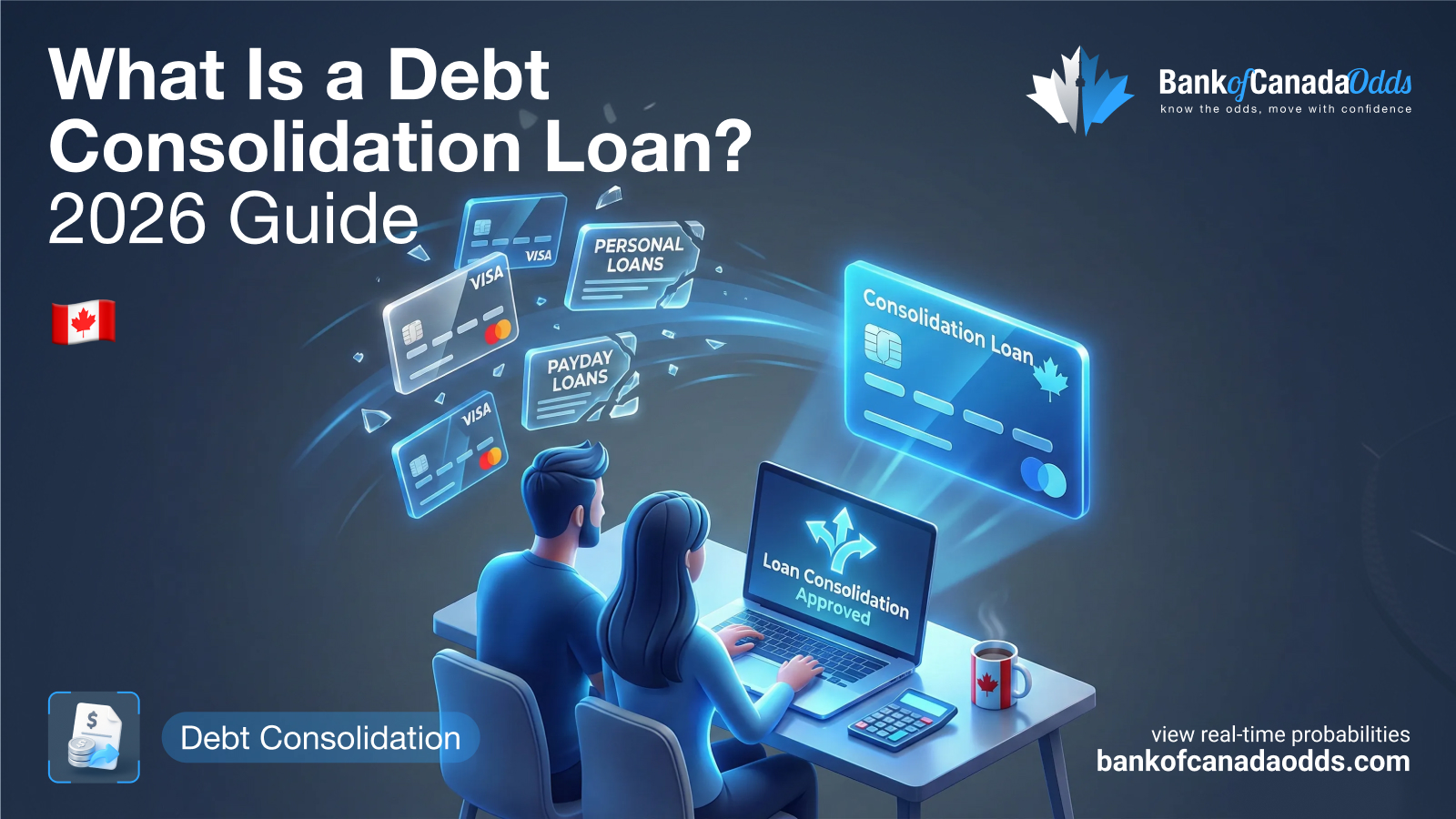
Refinancing Debt with Personal Loans
Refinancing is the procedure of getting a new loan with a lower rate of interest to pay off older, high-interest debts. In the 2026 lending market, individual loans for debt consolidation are commonly readily available for those with great to exceptional credit history. If an individual in your area has a credit report above 720, they may certify for an individual loan with an APR of 11 or 12 percent. This is a considerable improvement over the 26 percent typically seen on charge card, though it is normally greater than the rates negotiated through a not-for-profit DMP.
The main benefit of refinancing is that it keeps the consumer in complete control of their accounts. Once the individual loan settles the charge card, the cards stay open, which can help lower credit usage and potentially improve a credit rating. However, this positions a threat. If the individual continues to use the charge card after they have been "cleared" by the loan, they might wind up with both a loan payment and brand-new charge card financial obligation. This double-debt situation is a common mistake that monetary counselors warn against in 2026.
Comparing Overall Interest Paid

The main goal for many people in your local community is to minimize the overall amount of money paid to lending institutions in time. To understand the distinction between combination and refinancing, one need to take a look at the overall interest expense over a five-year duration. On a $30,000 debt at 26 percent interest, the interest alone can cost countless dollars yearly. A refinancing loan at 12 percent over five years will significantly cut those expenses. A debt management program at 8 percent will cut them even further.
Individuals often try to find Credit Card Consolidation in Missoula when their regular monthly responsibilities exceed their earnings. The distinction in between 12 percent and 8 percent may appear small, but on a big balance, it represents thousands of dollars in savings that remain in the customer's pocket. Moreover, DMPs frequently see creditors waive late fees and over-limit charges as part of the negotiation, which supplies instant relief to the overall balance. Refinancing loans do not typically offer this advantage, as the brand-new lending institution merely pays the current balance as it bases on the statement.
The Impact on Credit and Future Borrowing
In 2026, credit reporting agencies see these two approaches in a different way. An individual loan utilized for refinancing looks like a new installment loan. At first, this might cause a small dip in a credit rating due to the hard credit query, but as the loan is paid down, it can reinforce the credit profile. It demonstrates a capability to handle different kinds of credit beyond just revolving accounts.
A financial obligation management program through a nonprofit company involves closing the accounts included in the plan. Closing old accounts can momentarily decrease a credit score by minimizing the average age of credit report. Many participants see their ratings enhance over the life of the program because their debt-to-income ratio improves and they develop a long history of on-time payments. For those in the surrounding region who are thinking about insolvency, a DMP works as a vital happy medium that prevents the long-lasting damage of a bankruptcy filing while still providing considerable interest relief.
Picking the Right Path in 2026
Deciding between these two options needs an honest evaluation of one's monetary circumstance. If a person has a stable income and a high credit score, a refinancing loan uses versatility and the possible to keep accounts open. It is a self-managed service for those who have already corrected the spending routines that caused the financial obligation. The competitive loan market in the local community means there are lots of choices for high-credit debtors to discover terms that beat charge card APRs.
For those who require more structure or whose credit history do not permit low-interest bank loans, the not-for-profit debt management route is often more effective. These programs offer a clear end date for the financial obligation, typically within 36 to 60 months, and the negotiated rates of interest are typically the most affordable offered in the 2026 market. The inclusion of financial education and pre-discharge debtor education makes sure that the underlying causes of the debt are dealt with, lowering the possibility of falling back into the exact same circumstance.
No matter the chosen method, the concern stays the same: stopping the drain of high-interest charges. With the monetary environment of 2026 providing distinct obstacles, taking action to lower APRs is the most effective way to guarantee long-lasting stability. By comparing the regards to private loans versus the advantages of nonprofit programs, homeowners in the United States can discover a course that fits their specific budget and goals.

Latest Posts
Avoiding Long-Term Struggle With Insolvency in 2026
Choosing Between Bankruptcy and Debt Settlement Programs
Important Facts to Understand Before Filing for Bankruptcy